Why Professional Chefs Prefer Stainless Steel Pans (And Why You Might Want One Too)
Strawberry & Sprouts · Jul 6, 2026 · 5 min read
If you've ever watched a cooking show or peeked into a restaurant kitchen, you've probably noticed something interesting.
Almost every chef is cooking with stainless steel pans.
Not colorful ceramic pans.
Not nonstick.
Just simple, well-used stainless steel.
For years, I assumed it was because they were more expensive or somehow "professional." But the truth is much simpler: chefs use stainless steel because it helps them cook better food.
That doesn't mean every home cook needs to throw away their nonstick pan. But understanding why stainless steel is the go-to choice for professionals can completely change the way you cook at home.
It creates better flavor
One of the biggest differences between stainless steel and nonstick is how food browns.
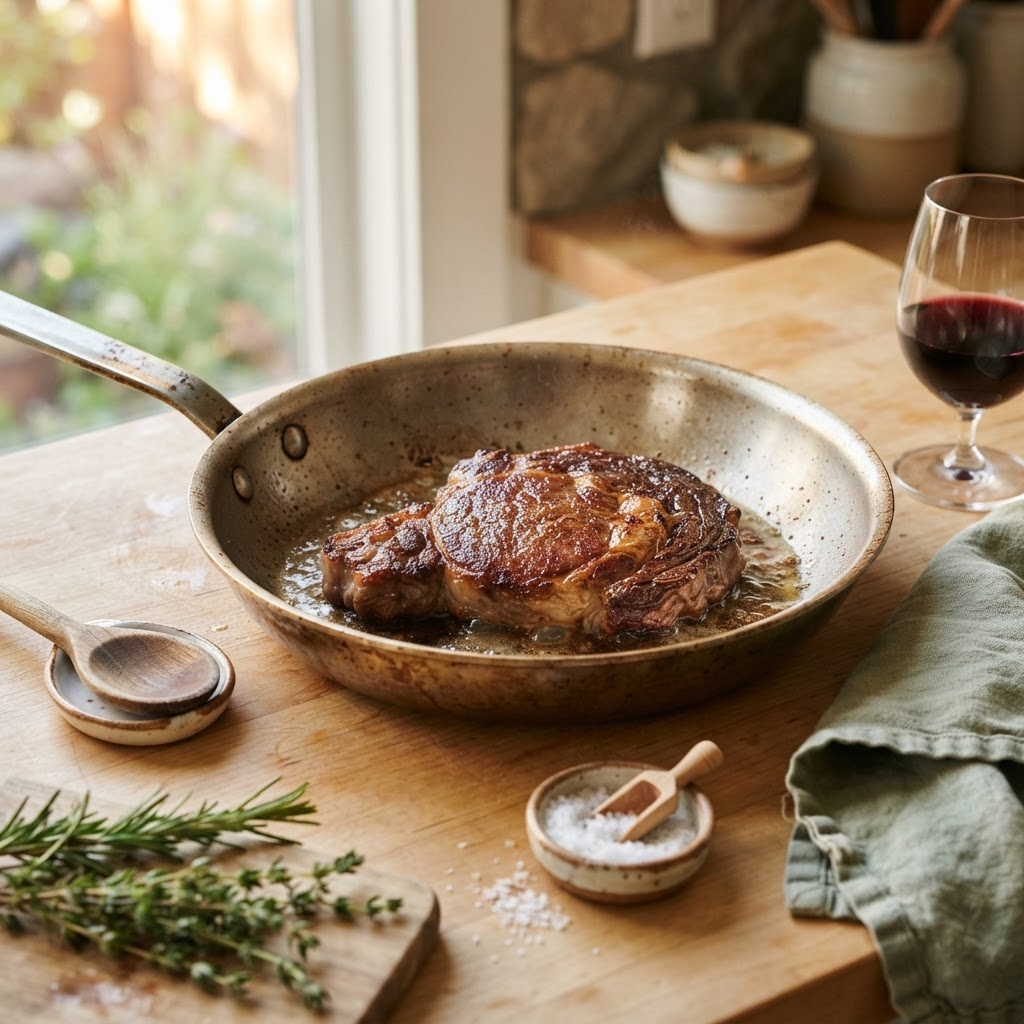
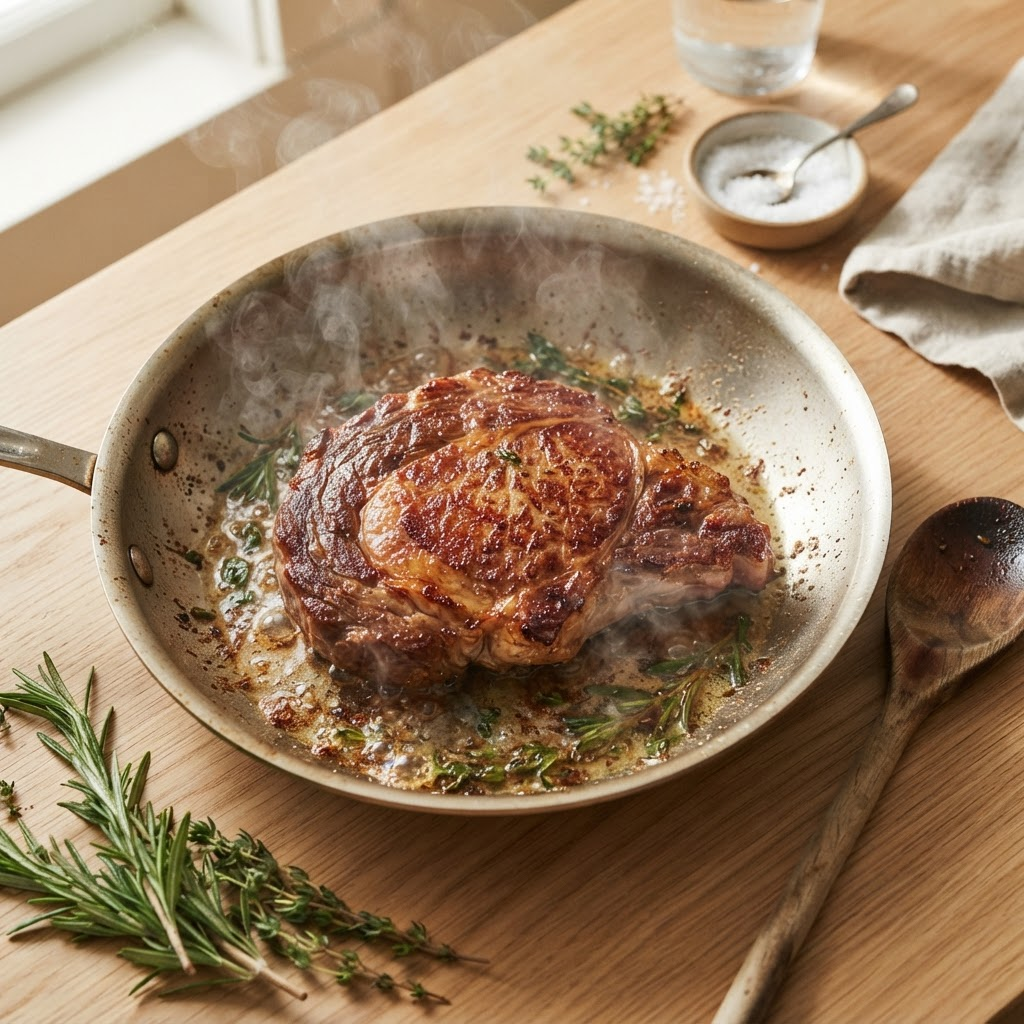
When meat or vegetables cook in a stainless steel pan, they develop a beautiful golden crust. That browning isn't just about appearance—it creates hundreds of flavorful compounds that make food taste richer and more complex.
It's the reason restaurant steaks have that incredible crust.
It's why roasted mushrooms taste so savory.
It's why perfectly caramelized onions are worth the wait.
With nonstick cookware, food tends to cook more gently, so you often don't get the same deep browning.
It isn't afraid of high heat
Many recipes benefit from high temperatures.
Think crispy potatoes, perfectly seared steak, or vegetables with lightly charred edges.
Stainless steel is designed for exactly that.
Most quality stainless steel pans can handle temperatures that would damage many nonstick coatings. That gives you much more flexibility in the kitchen, especially if you like finishing dishes in the oven.
It can last for decades
One of my favorite things about stainless steel cookware is that it doesn't have a coating that eventually wears out.
A good-quality pan can easily last twenty or thirty years—or even longer.
- You can use metal utensils
- You don't have to worry about tiny scratches
- Unlike many nonstick pans, you won't find yourself replacing it every few years
It's one of those kitchen purchases that keeps paying for itself over time.
One pan can do almost everything
Professional kitchens love efficiency. A stainless steel pan can:
- Sear meat
- Sauté vegetables
- Deglaze with wine or broth
- Build flavorful pan sauces
- Finish dishes in the oven
Instead of reaching for several different pans, one good stainless steel skillet can handle most everyday meals.
So why do people struggle with stainless steel?
If you've ever tried using one, you might already know the answer.
Food sticks.
Or at least, it feels like it does.
The good news is that stainless steel isn't difficult—it just works differently.
The biggest mistake most people make is adding food before the pan is properly heated.
Instead:
- Heat the empty pan over medium heat for a few minutes
- Add your oil
- Then add your food
At first, the food may seem stuck. Resist the urge to force it loose. As a golden crust develops, it naturally releases from the pan.
That little bit of patience makes all the difference.
Should you get rid of your nonstick pan?
Absolutely not.
Nonstick still has its place. It's my first choice for:
- Eggs
- Omelets
- Pancakes
- Crepes
- Delicate fish
The goal isn't to replace every pan you own. It's simply to use the right tool for the job.
If you're building a kitchen from scratch, I'd actually recommend having both: one quality stainless steel skillet for most meals and one small nonstick pan for delicate foods.
The bottom line
Professional chefs don't choose stainless steel because it's trendy. They choose it because it gives them better results, lasts for years, and allows them to cook almost anything. Once you learn how to use it properly, you'll probably find yourself reaching for it more and more.
And don't be surprised if your vegetables get crispier, your steak develops a beautiful crust, and your homemade meals start tasting a little more like your favorite restaurant.
Sometimes the difference isn't the recipe.
It's the pan.