6 Small Pantry Organization Tips to Make Your Pantry More Functional
Strawberry & Sprouts · Jul 28, 2026 · 6 min read
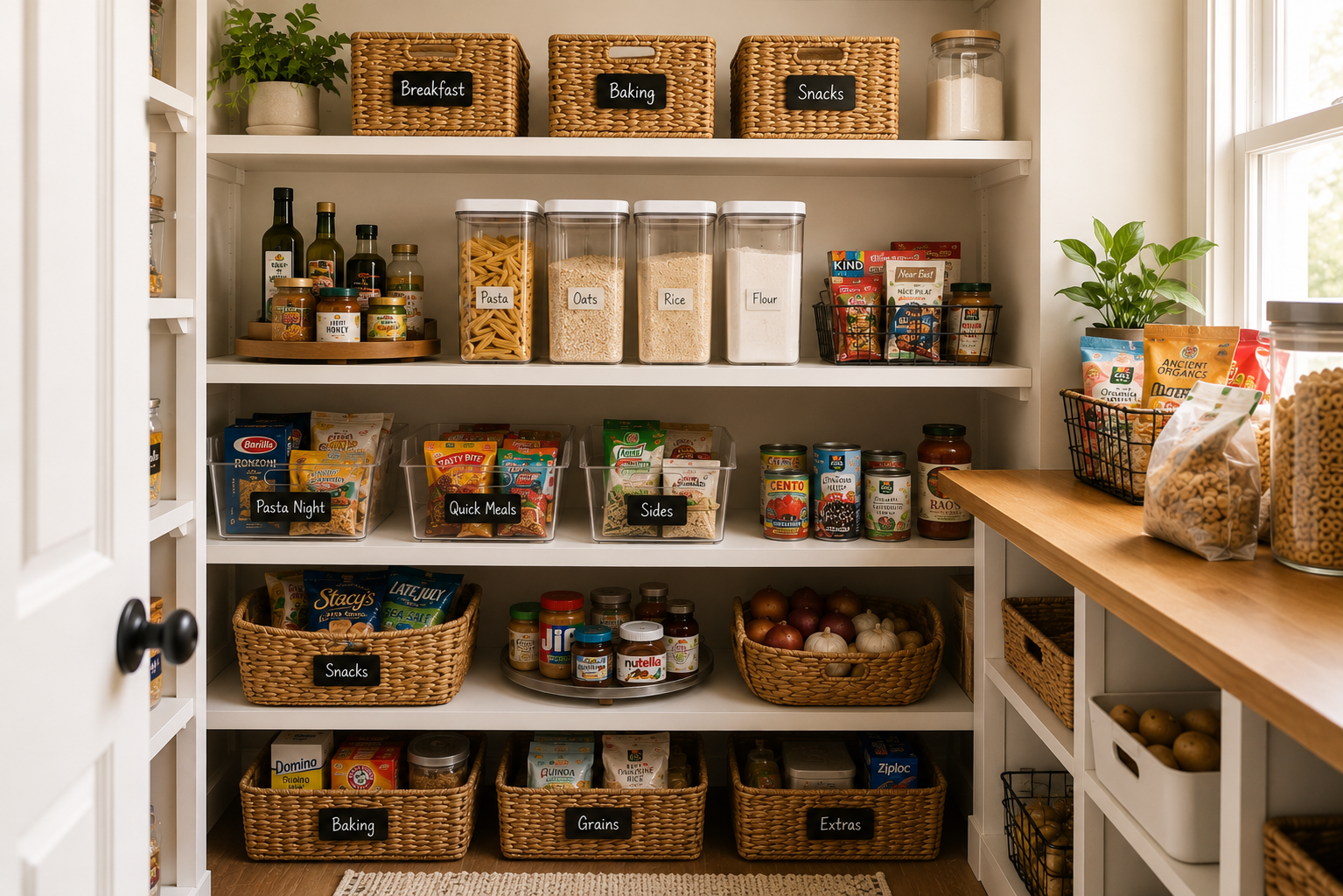
Whether you're working with a tiny pantry, a single cabinet, or a narrow closet, a few simple pantry organization tips can make cooking and maintenance easier, reduce food waste, and help you find what you need in seconds.
A functional pantry isn't about matching containers or perfectly styled shelves. It's about creating a kitchen that works for your everyday life.
Here are six small pantry organization ideas to inspire you.
1. Organize by meal, not by food type
Most of us naturally group foods together: pasta with pasta, canned goods with canned goods, baking supplies on one shelf.
But when it's time to make dinner, your brain isn't thinking, "Where are my grains?" It's thinking, "I'm making spaghetti tonight."
Instead, try creating pantry zones based on how you actually cook. A breakfast section, a baking shelf, a pasta night zone, or a snack basket can make meal prep much faster — because everything you need is already grouped together.
2. Store items by how often you use them
Think of your pantry like prime real estate.
The shelves at eye level should hold the foods you reach for every day. Items you only use occasionally can live on the top shelves, while heavier items belong on the bottom for easier lifting and safer storage.
This small adjustment makes everyday cooking feel more effortless.
3. Make everything visible
Have you ever bought another bag of rice only to discover one hiding behind a cereal box?
You're not alone.
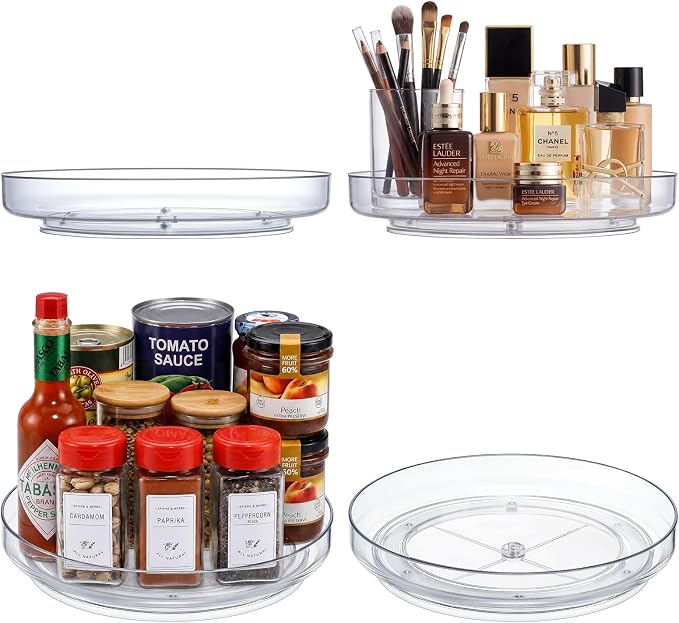
Shelf risers, stackable bins, and lazy Susans help you see everything at a glance. When food stays visible, it's much more likely to get used before it expires.
One of the easiest ways to reduce food waste is simply making sure nothing gets lost in the back.
4. Decant bulky packaging
Boxes and bags are rarely designed to save space.
Transferring foods like flour, cereal, pasta, oats, and snacks into stackable containers creates a cleaner layout and often frees up valuable shelf space. As a bonus, ingredients become easier to spot, making cooking and grocery shopping a little simpler.
5. Buy for your space
Buying in bulk can save money — but only if you have room to store everything comfortably.
If every grocery trip means rearranging your entire pantry just to squeeze in one more box, it's a sign your storage system is working against you. A pantry that's packed to the brim is harder to keep organized and much more difficult to maintain over time.
6. Rotate your groceries
This habit takes less than a minute but can save both food and money.
Whenever you unpack groceries, move older items to the front and place newer purchases behind them. This simple routine helps ensure older foods get used first, reducing expired products and cutting down on unnecessary waste.
A functional pantry is one that works for you
It's easy to think an organized pantry requires custom shelves or a walk-in space.
The truth is, a functional pantry doesn't need to be big. It simply needs to help you:
- Find what you need.
- See what you have.
- Use what you buy.
Those three principles matter far more than the size or aesthetics of your pantry.
If you're following along with our Declutter Before the End of Summer series on Instagram, this is the perfect week to put these ideas into practice. Start with one shelf, work at your own pace, and remember: progress is always better than perfection.
Frequently Asked Questions
How do you organize a small pantry?
Start by creating zones based on the meals you cook most often, not just food categories. Store everyday items at eye level, use stackable containers to maximize space, and keep everything visible so nothing gets forgotten.
What is the best way to organize pantry shelves?
A simple rule is to organize by frequency of use. Keep daily essentials within easy reach, store rarely used items on the top shelves, and place heavier items on the bottom shelves for safety and convenience.
Is it worth transferring food into containers?
Yes. Decanting foods like cereal, flour, pasta, and rice into stackable containers can save valuable shelf space, make ingredients easier to find, and help your pantry look less cluttered.
How can I keep my pantry organized long term?
The easiest way is to create systems you can maintain. Avoid overfilling your pantry, rotate older groceries to the front when restocking, and regularly check for items that are close to expiring.
What are the benefits of an organized pantry?
A well-organized pantry helps you cook more efficiently, reduces food waste, prevents duplicate purchases, and makes grocery shopping easier. Most importantly, it saves time and reduces everyday decision fatigue in the kitchen.